
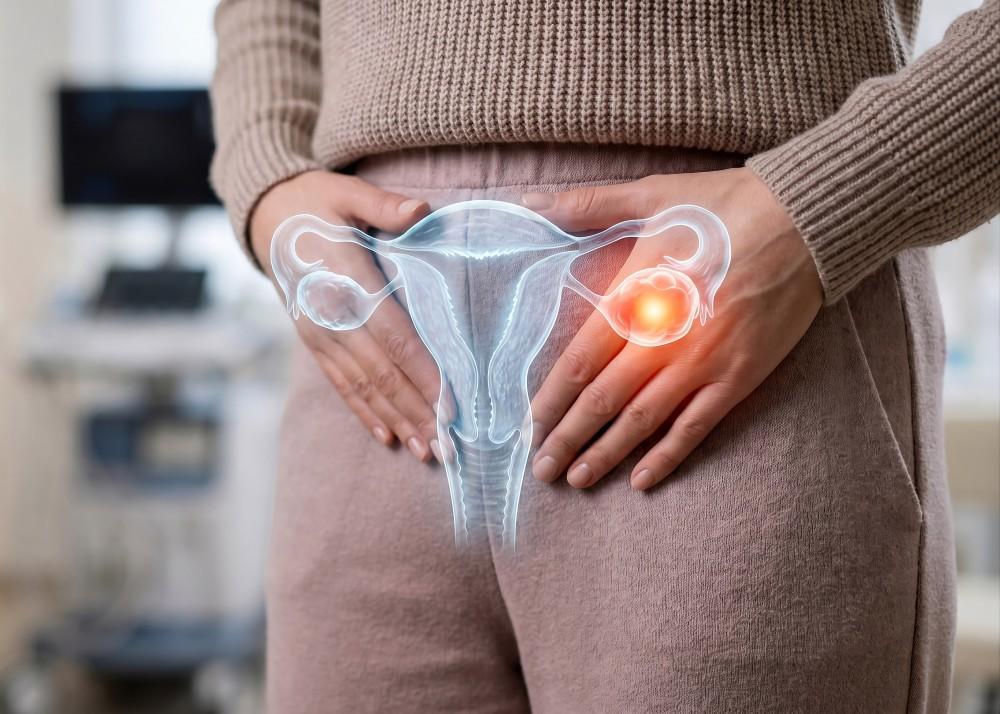
Pelvic Pain? 5 Warning Signs You Might Have an Ovarian Cyst
Are you experiencing unexplained pelvic pain or bloating? Learn the 5 warning signs of an ovarian cyst and when it’s time to seek expert care.

As many as 15% of women who are of reproductive age suffer from endometriosis, a painful, debilitating gynecological disorder. It occurs when tissue similar to the lining of the uterus grows in other areas. These growths can appear on your ovaries, fallopian tubes, bladder, bowel, and other pelvic structures.
Each month, the abnormal tissue responds to hormonal changes in your body that trigger menstruation, causing swelling and bleeding. Because this tissue is trapped and can’t exit your body from the vagina as it should, inflammation, scarring, and ongoing pain result.
Because the uterus plays a central role in menstruation, many patients wonder if undergoing a hysterectomy to remove it could end their symptoms. At Desert Hills Care Center in Las Vegas, Nevada, we know that the answer isn’t a simple yes or no. Here we explain what a hysterectomy can and can’t do for those with endometriosis.
Living with severe endometriosis is often overwhelming. It causes problems that include:
Endometriosis often causes ongoing pelvic pain that may feel dull, sharp, or cramp-like. The pain can worsen during periods but may also happen throughout the month, making daily activities uncomfortable or hard to manage.
Many people with endometriosis experience very heavy or long menstrual periods. This can include passing large clots, soaking through pads or tampons quickly, and feeling drained or anemic from blood loss.
Endometriosis can make sex painful, especially with deep penetration. This pain may occur during intercourse or linger afterward, which can affect intimacy and emotional well-being.
Ongoing pain, inflammation, poor sleep, and heavy bleeding can leave people feeling constantly tired. This fatigue often goes beyond normal tiredness and may interfere with work, focus, and everyday life.
Endometriosis can make it harder to conceive because scar tissue, inflammation, and changes in pelvic organs may affect ovulation, egg quality, or implantation. Despite this, with the right care and support, many women can still have children.
A hysterectomy is surgery to remove the uterus. In some cases, we remove the cervix, ovaries, and fallopian tubes as well. The surgery stops menstrual periods and prevents pregnancy.
For patients whose endometriosis pain comes mainly from uterine cramping or heavy bleeding, a hysterectomy may offer meaningful relief. That said, a hysterectomy doesn’t automatically cure the entire problem.
If endometriosis lesions exist outside the uterus and we don’t remove them during surgery, pain can continue, meaning patients could still experience symptoms years later.
The ovaries produce estrogen, which can fuel the growth of endometriosis. Therefore, removing the ovaries during a hysterectomy may lower your risk of symptoms returning, especially in severe cases. However, removing the ovaries causes immediate menopause, which can trigger problems such as:
At Desert Hills Care Center, our board-certified OB/GYN, Dr. Helard Ballon-Hennings, carefully weighs these risks and benefits. His decision depends on a patient’s age, symptom severity, future health goals, and the impact of endometriosis on the patient’s quality of life.
A hysterectomy may be worth considering when:
Even in these cases, we often recommend excision of visible endometriosis lesions at the same time as the hysterectomy to improve long-term results.
A hysterectomy is major, permanent surgery. It requires recovery time and emotional adjustment, especially for patients who hoped to have children. We therefore encourage patients to try less invasive options before considering hysterectomy, such as:
We might also offer minimally invasive laparoscopic surgery to remove endometrial tissue while preserving your reproductive organs. Many patients find relief with these approaches and avoid major surgery.
Patients often experience significant pain relief and a renewed sense of control after hysterectomy surgery. Some may still need ongoing care, especially if endometriosis existed outside their uterus.
Follow-up care, hormone management, and attention to pelvic health remain important. The key is realistic expectations; hysterectomy can be life-changing for the right patient, but it isn’t a guaranteed cure.
Endometriosis affects every patient differently, so there’s no one-size-fits-all fix. We take time to listen, review diagnostic imaging and surgical history, and discuss all your options. The goal is not only symptom relief but also long-term well-being.
If you’re living with severe endometriosis and wondering whether a hysterectomy is the right step, call Desert Hills Care Center or get in touch with us by completing our online form.


