

Your Guide to Postpartum Wellness: Beyond the First 6 Weeks
Navigating physical and emotional recovery after childbirth requires ongoing support long after your initial six-week checkup.
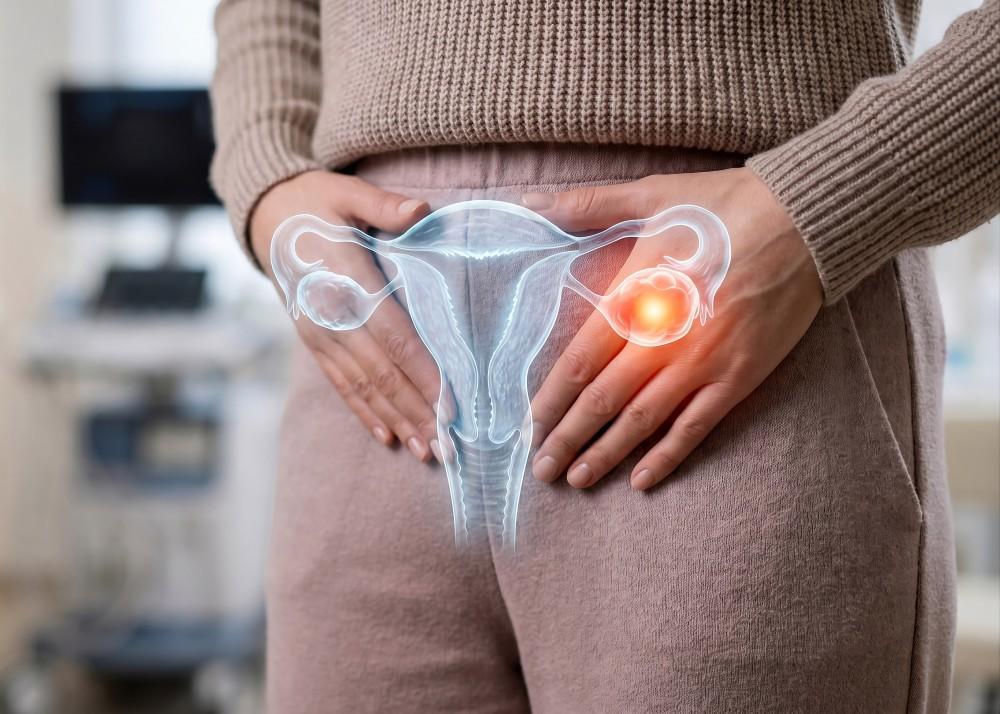
If you’re experiencing sudden or persistent pelvic pain, you might wonder if a pelvic mass is to blame. At Desert Hills Care Center in Las Vegas, Nevada, our board-certified OB/GYN, Helard G. Ballon-Hennings, MD, FACOG, helps women understand their reproductive health and find relief from uncomfortable symptoms.
Ovarian cysts — fluid-filled sacs that develop on or inside of an ovary — are incredibly common, affecting about 20% of women in their lifetimes. While many of these cysts go away on their own without you even knowing they were there, some grow large enough to cause noticeable issues. Knowing what to look for can help you decide when it’s time to seek professional care for a likely ovarian cyst.
If you have an ovarian cyst, you might feel localized pelvic pain, persistent bloating, deep pain during intercourse, and sudden, sharp pain accompanied by nausea. Recognizing these symptoms early allows us to evaluate the cyst and prevent potential complications. Here are 5 key warning signs you shouldn’t ignore:
A sudden, severe pain on one side of your lower abdomen can indicate a serious complication like ovarian torsion. This happens when a growing cyst causes the ovary to twist, cutting off its blood supply.
You might feel pain in your pelvis on the side of your body that has the cyst. This pelvic pain can come and go and be dull or sharp.
If you feel constantly bloated or full, even when you haven’t eaten much, a larger cyst might be pressing against your internal organs.
Feeling deep pelvic pain during sex can be a warning sign of an endometrioma, also known as a chocolate cyst. They trigger intense local inflammation and nerve sensitivity, making physical contact painful.
As a cyst expands, its physical size can press directly against your bladder, creating a constant, urgent need to go.
We diagnose ovarian cysts using advanced imaging like pelvic ultrasounds to determine their size, location, and structure. Once we diagnose a cyst, we tailor your treatment plan, which may range from simple monitoring to minimally invasive robotic surgery.
Most simple cysts are completely harmless and do not require surgery. In fact, research shows that simple cysts have an extremely low risk of being cancerous — about 1 in 10,000 cases in postmenopausal women. For these benign cases, we often recommend watchful waiting with regular ultrasound checkups.
However, if a cyst is large, causing severe pain, or structurally complex, we may recommend surgical removal. Dr. Ballon-Hennings specializes in advanced, minimally invasive techniques to remove cysts while carefully protecting your healthy ovarian tissue and future fertility.
You don’t have to live with unexplained pelvic pain or worry about what’s causing your symptoms. Our team is here to provide the personalized, compassionate care you deserve. If you’re experiencing any of these warning signs, please call or message Desert Hills Care Center today.


