
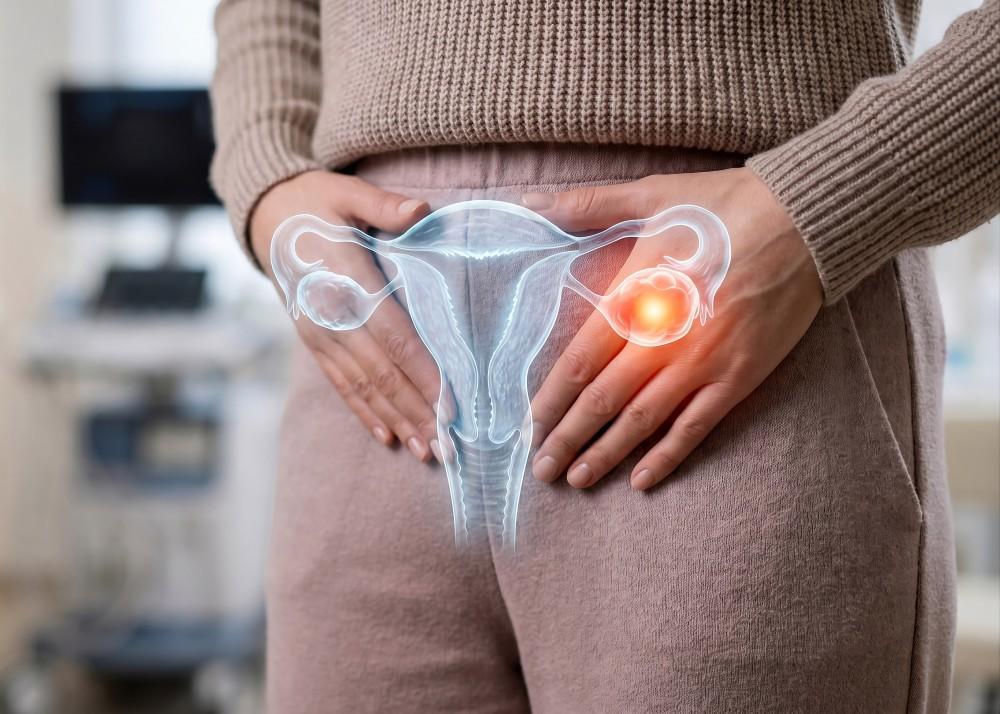
Pelvic Pain? 5 Warning Signs You Might Have an Ovarian Cyst
Are you experiencing unexplained pelvic pain or bloating? Learn the 5 warning signs of an ovarian cyst and when it’s time to seek expert care.

In the United States, around 600,000 women undergo non-cancer-related hysterectomies every year, and that’s just one kind of gynecologic operation.
Many women put off surgery involving their reproductive systems because they worry about what recovery will involve. That hesitation is understandable, but modern surgical techniques make many such fears unnecessary.
At Desert Hills Care Center, our highly experienced OB/GYN, Helard Ballon-Hennings, MD, FACOG, offers minimally invasive gynecologic surgery when it fits a patient’s needs and health goals. These procedures use small incisions, slim instruments, and advanced imaging to treat conditions with less impact on the body than traditional open surgery.
Conditions that minimally invasive surgery can treat include:
Minimally invasive surgery doesn’t mean minor surgery. It still requires skill, planning, and a clear diagnosis. However, it often helps patients recover with less pain, fewer disruptions, and more confidence. For many women, that difference transforms the entire experience.
Minimally invasive surgery can change how recovery feels in three ways:
Traditional open surgery often requires a large incision to access the treatment area directly. Laparoscopy, one type of minimally invasive surgery, uses a few small incisions instead. In some cases, Dr. Ballon-Hennings accesses the reproductive organs through your vagina (hysteroscopy).
Through these openings, Dr. Ballon-Hennings inserts a tiny camera and specialized instruments to perform the procedure with precision. In many cases, he can employ state-of-the-art da Vinci® robotic technology for even greater precision.
Because the incisions are so small, the body has less tissue to heal. Smaller incisions also tend to lower the need for strong pain medication, though each person’s comfort level and recovery plan differ.
Less discomfort matters for more than convenience. When pain feels manageable, patients usually move around sooner, breathe more deeply, sleep more comfortably, and return to light daily activities with greater ease. These small wins promote a faster recovery.
Minimally invasive techniques also reduce trauma to nearby tissues. Instead of moving through a large surgical opening, Dr. Ballon-Hennings works with targeted tools and a magnified view. This approach helps protect healthy tissue while addressing the problem area.
Recovery doesn’t only involve physical healing. It affects work, childcare, exercise, household tasks, intimacy, sleep, and emotional well-being. A long recovery can place pressure on every part of a woman’s life.
Minimally invasive surgery often shortens that recovery window. Many procedures allow patients to go home the same day or after a brief stay, depending on the type of surgery and the patient’s overall condition. Patients also often return to many normal activities sooner than they would after open surgery.
This faster return doesn’t mean you should rush healing, because your body still requires rest. You’ll need to follow instructions about lifting, exercise, driving, sexual activity, and follow-up care. However, many women appreciate that minimally invasive surgery reduces the time they spend feeling limited.
A shorter recovery can also reduce anxiety before surgery. When patients understand that treatment may not require weeks of significant downtime, they’re often more willing to address symptoms they’ve tolerated for too long.
All surgery carries some risk. That’s why we take time to review your medical history, symptoms, medications, allergies, and treatment goals before recommending any procedure. Still, minimally invasive surgery often lowers the risk of certain complications compared with traditional open surgery.
Smaller incisions usually mean less bleeding and a lower chance of wound problems. They also often reduce scarring. Many patients feel relieved when they learn that their surgical marks may look much smaller than they expected.
Since minimally invasive surgery often causes less discomfort, patients usually feel more comfortable getting up and moving as directed. A quicker return to movement supports recovery; for example, gentle walking helps your circulation, digestion, and energy levels.
Minimally invasive surgery doesn’t suit every patient or condition, so some cases need open surgery for safety or better results. The right approach depends on your diagnosis, anatomy, health history, previous surgeries, and, when relevant, your goals for future fertility.
That’s why a personalized evaluation matters. At Desert Hills Care Center, we explain your choices clearly, answer questions, and recommend the surgical path that best suits you.
If you’ve lived with heavy bleeding, pelvic pain, fibroids, ovarian cysts, or other gynecologic symptoms, don’t assume open surgery is your only choice. Minimally invasive techniques could offer a gentler path to treatment and recovery.
Schedule a visit to Desert Hills Care Center in Las Vegas, Nevada, if reproductive system symptoms affect your life. We’ll evaluate your needs and help you decide whether minimally invasive gynecologic surgery could be right for you. Call the office or book an appointment online.


